
The Moment You Notice It
You're backing out of the driveway and catch your toddler standing right under the door track as it starts to come down. Or the dog bolts for the closing door chasing a squirrel, and for one second you're not sure the door will stop in time. Maybe it's smaller than that: you glance over and realize the garage door remote has been sitting on the low shelf by the door for months, well within reach of small hands. That split-second jolt is usually the first time most homeowners actually think about garage door safety. By then, the risk has probably been there for a while.
What Actually Goes Wrong
Garage doors are the single heaviest moving object in most homes, and the ways they cause injury are almost always mechanical failures that went unnoticed, not freak accidents.
- Auto-reverse failure: Every modern opener is supposed to stop and reverse if it senses resistance or if the photo-eye sensors detect something in the door's path. If the force settings are off, or the sensors are dirty, misaligned, or wired loose, the door can keep closing on a person, pet, or object instead of stopping.
- Photo-eye sensor problems: Those two small sensors near the bottom of the track, a few inches off the garage floor, are doing the real safety work. Road salt tracked in on boots and tires, winter grime, spiderwebs, or a bumped bracket can all throw off the alignment enough that the door stops reversing reliably, or the opener refuses to close the door at all.
- Pinch points: The sections where a garage door folds as it opens create gaps that can pinch small fingers or paws. Kids are drawn to touch the moving door; pets get curious about the noise and motion.
- Easy access to controls: A wall button mounted low, a remote left in a cupholder, or a garage keypad with a simple code all give a curious child a way to activate a several-hundred-pound door with no adult around.
- Springs under tension: Torsion and extension springs store enormous energy to lift the door. A worn or improperly adjusted spring can snap, and the sudden release of that tension is dangerous for anyone standing nearby, not just whoever is working on the door.
None of these are rare oddities. They're the predictable result of a door that hasn't been tested or maintained in a while, which is common in a lot of older Stateline-area garages where the opener and hardware have been in place for a decade or more.
The Checks That Actually Prevent Injuries
Test the auto-reverse monthly
Place a roll of paper towels or a 2x4 flat on the garage floor in the door's path and close the door using the wall button or remote. The door should touch the object and reverse immediately. If it doesn't reverse, or it reverses only after pressing down hard on the object, the force setting needs adjustment or the opener has a deeper problem. Don't wait on this one.
Check the photo-eye sensors
Wipe both sensor lenses clean, especially heading into winter when road salt and slush get tracked through the garage constantly. Confirm both sensors have a solid, unblinking light and that nothing, including a storage bin, bike, or holiday decorations, has crept into their line of sight. If the indicator light blinks instead of staying solid, the sensors are misaligned and the safety reverse function may not be working at all.
Move controls out of reach
Wall-mounted openers should be at least five feet off the ground, well above a small child's reach. Keep remotes off low shelves and out of parked cars with the windows down. If you use a keypad, treat the code the same way you'd treat a house alarm code: don't make it the house number, and change it if you've ever had workers or guests use it.
Cover or avoid pinch points
If your door is older and doesn't have pinch-resistant panel design, keep an eye on where sections meet when the door is partway open. Teach kids that the garage door is not something to touch, climb, or play near, the same way you'd treat a hot stove.
Keep pets and kids clear during operation
Make it a habit, not just a rule: nobody walks under or near the door while it's moving. This matters even more in spring storm season when garage doors get opened and closed quickly and repeatedly while people move vehicles and equipment in a hurry.
Don't ignore a slow or jerky door
A door that hesitates, reverses randomly, or closes unevenly is often a spring or cable problem, not just an annoyance. Springs under uneven tension can fail without warning, and a door that isn't moving smoothly is one that's less predictable around kids and pets.
When to Call South Beloit Garage Door
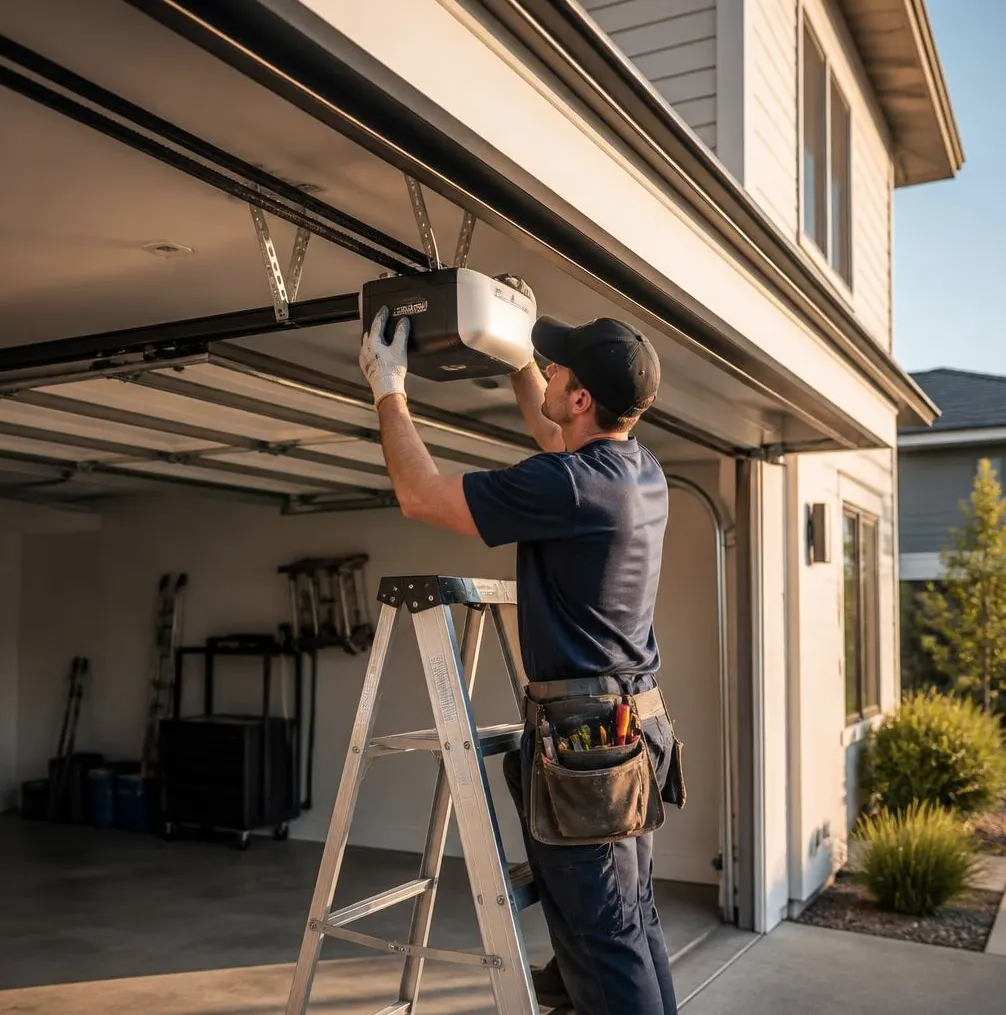
If your auto-reverse test fails, your sensors won't stay aligned, or the door feels heavier or louder than it used to, that's the point to call in a technician rather than keep testing it yourself. South Beloit Garage Door handles garage door opener service to diagnose force settings and sensor wiring, and offers preventive maintenance visits that check spring tension, track alignment, and safety reverse function all at once, before small issues turn into a door that fails around the people and pets who use that garage every day.
If you've noticed any of these warning signs in your own garage, don't wait for the close call that makes you take it seriously. Call South Beloit Garage Door for a safety check and maintenance visit, and head into winter with a garage door that's actually doing its job for your family in South Beloit, IL and the surrounding Stateline area.